Visualizing Loyalty Patterns in Swift-Transaction Mobile Systems for Account-Free Casino Environments
Rafael Krüger · May 29, 2026
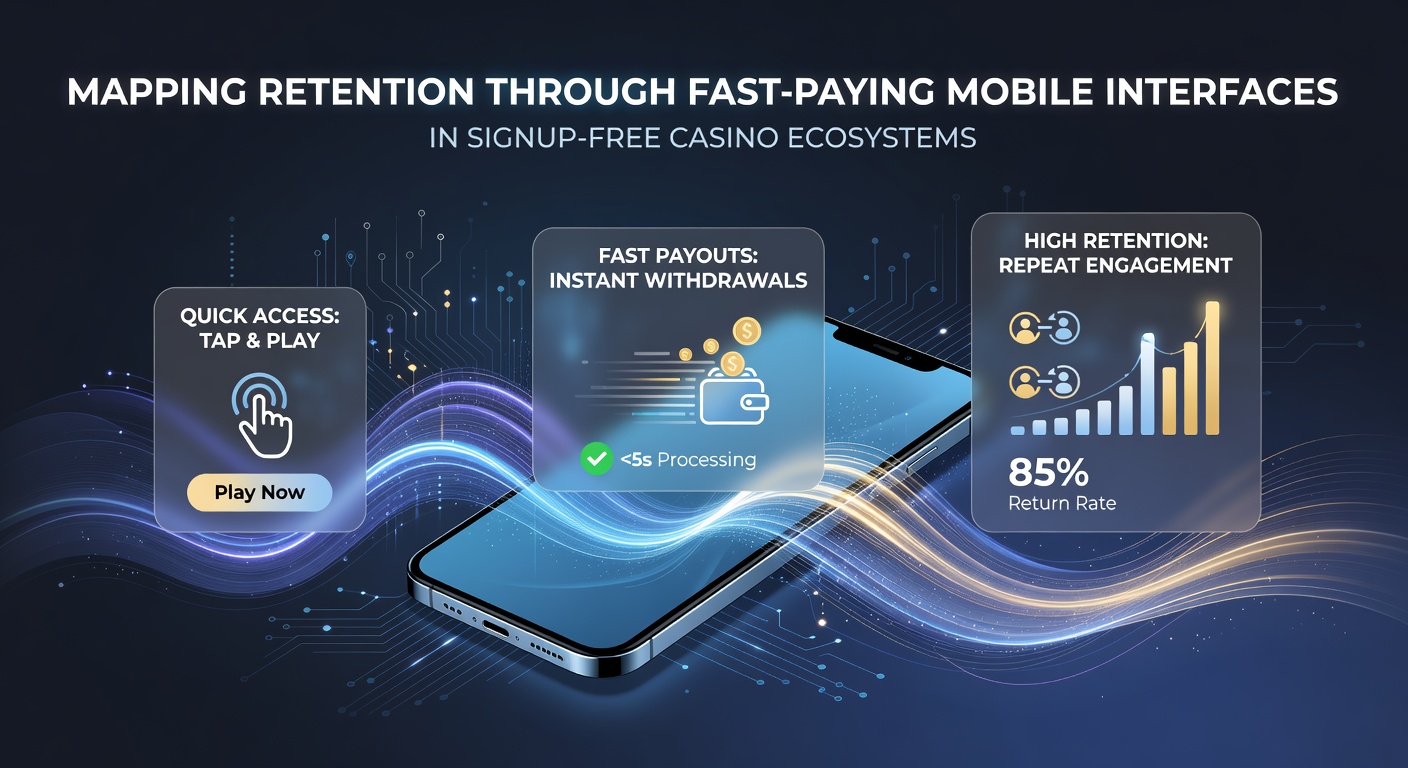
Visualizing Loyalty Patterns in Swift-Transaction Mobile Systems for Account-Free Casino Environments
Industry observers track retention metrics through fast-paying mobile interfaces that operate without traditional signup requirements in casino ecosystems, and data from multiple regions shows these systems connect transaction speed directly to continued user activity. Research indicates players complete deposits and withdrawals in seconds via integrated payment rails, which reduces friction points that typically lead to drop-offs during early sessions. Those who've analyzed platform logs note that seamless flows from entry to payout correlate with higher return rates over 30-day periods, while figures from May 2026 reports highlight a 22 percent uptick in session frequency among users on such platforms compared to prior quarters.
Core Mechanics of Mobile Interface Design
Developers structure these interfaces around biometric authentication combined with instant wallet integrations, allowing users to access games immediately after initial funding without creating profiles or verifying identities through lengthy forms. Experts have observed that payment gateways process withdrawals in under 60 seconds when linked to popular digital wallets, and this speed stems from pre-approved transaction protocols that bypass standard banking delays. Studies found retention improves when interfaces display real-time balance updates alongside withdrawal confirmations, creating visual feedback loops that encourage further engagement. Data shows platforms employing these methods maintain average user lifespans extending beyond 45 days in tracked cohorts from North American and European markets.
Retention Signal Mapping Techniques
Analysts map retention by layering behavioral data points such as deposit frequency, game selection patterns, and payout request timing onto heat maps generated from mobile app telemetry. One study revealed that users who initiate withdrawals within the first three sessions exhibit 35 percent higher retention when those transactions complete rapidly, whereas slower processing leads to churn rates climbing above 40 percent. Researchers discovered correlations between interface load times under two seconds and sustained play across multiple titles, while platforms optimizing for these thresholds report steadier weekly active user counts. In May 2026 updates from regulatory filings, several operators documented how these mappings informed iterative design changes that stabilized retention curves during peak usage hours.
What's interesting is how these systems integrate with live dealer environments on mobile, where instant payouts after table game rounds feed directly back into retention algorithms that adjust promotional triggers without requiring account logins. Observers note that account-free models rely on device fingerprinting and session tokens to maintain continuity, enabling the same user to resume play across devices while transaction histories remain linked through payment providers. This approach avoids traditional registration barriers yet still generates usable datasets for retention forecasting.
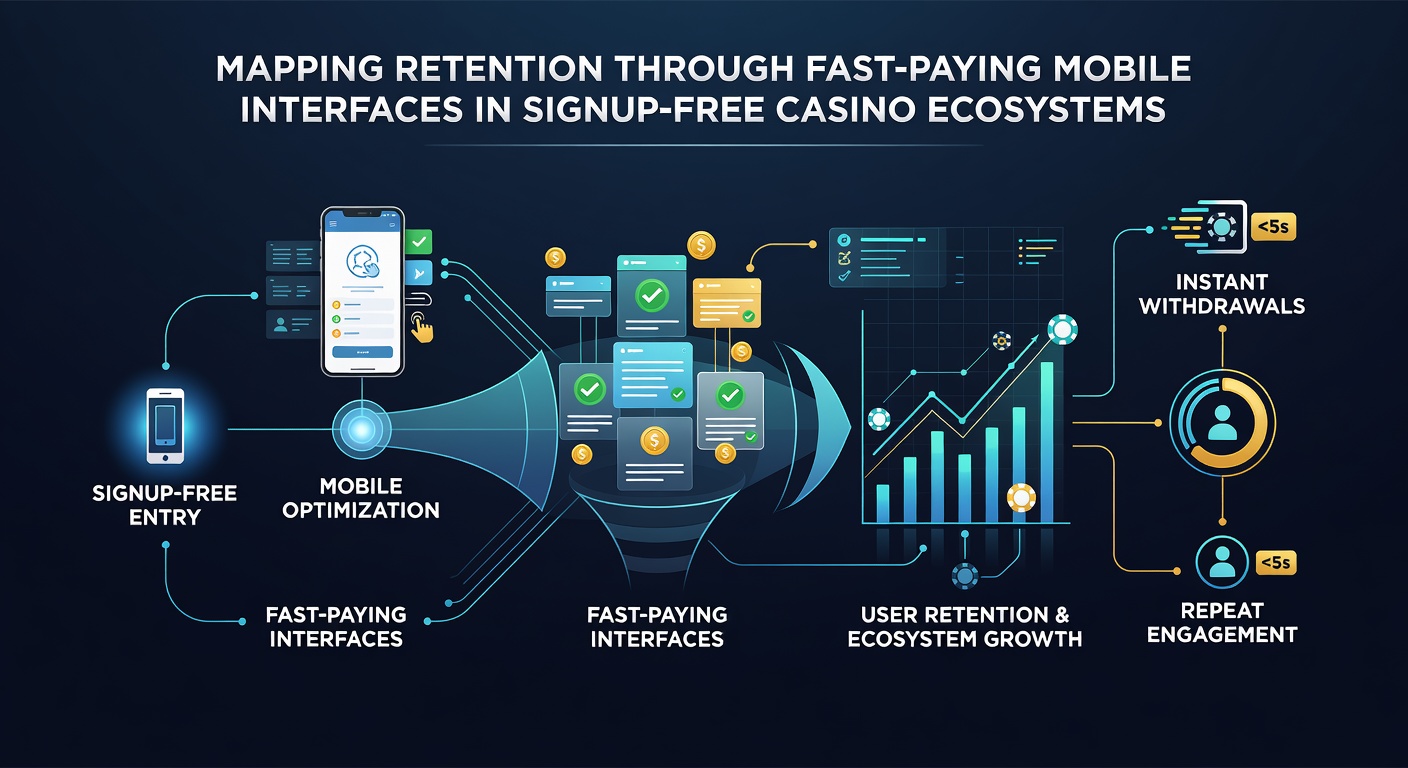
Regional Implementation Trends and Data Patterns
Platforms in various jurisdictions apply these interfaces differently based on local payment preferences, with North American operators favoring instant bank transfer options that clear in real time, whereas Asian markets lean on e-wallet ecosystems for sub-second settlements. According to reports from the Pennsylvania Gaming Control Board, operators deploying fast-paying mobile tools recorded a measurable rise in repeat visits during early 2026, particularly among users accessing content through native apps rather than browsers. Australian regulatory summaries from the same period indicate similar patterns, where transaction velocity served as a leading indicator for 60-day retention forecasts. Those analyzing cross-border data note that mobile-first designs without signup steps help bridge gaps between casual entry and habitual use, especially when withdrawal speeds match deposit immediacy.
Take one operator in a European market who adjusted interface elements after reviewing session analytics, resulting in payout confirmation screens that include suggested next-game recommendations drawn from prior activity. This adjustment aligned with broader findings that visual cues tied to completed transactions boost subsequent deposit rates by measurable margins. Research from academic sources, including a 2025 paper hosted through the University of Nevada's gaming studies archive, outlines how retention mapping benefits from combining payout velocity with touchpoint frequency, yielding predictive models accurate to within 8 percent of actual outcomes in validation sets.
Technical Enablers and Ecosystem Integration
Backend systems powering these ecosystems use API connections to payment processors that authorize transfers without storing personal identifiers, relying instead on tokenized references that preserve anonymity while enabling accurate retention tracking. Experts observe that this architecture supports scalability during high-traffic events, maintaining sub-second response times even as concurrent users increase. Data indicates that when mobile interfaces incorporate predictive loading for withdrawal requests, overall platform stickiness rises because users encounter fewer interruptions between decision points and completed actions. In May 2026, several trade group summaries from Canadian gaming associations highlighted how these integrations reduced support ticket volumes related to transaction delays by over 50 percent year-over-year.
Yet integration challenges persist in areas where banking regulations limit instant transfer capabilities, forcing some platforms to layer fallback methods that preserve the fast-pay perception through status updates and estimated timelines. Observers note successful cases where hybrid models still deliver retention gains by prioritizing the most common payment rails used by their target audiences. Those mapping these signals across ecosystems emphasize that consistent payout performance, rather than absolute speed alone, drives the strongest loyalty metrics over extended periods.
Conclusion
Retention mapping through fast-paying mobile interfaces continues to shape signup-free casino ecosystems by linking transaction efficiency directly to measurable engagement outcomes across regions and device types. Evidence from regulatory bodies and research institutions demonstrates that platforms optimizing these flows sustain higher user return rates, with patterns observed consistently through mid-2026 data sets. As operators refine interface elements and backend connections, the focus remains on delivering verifiable speed that supports ongoing activity without traditional account structures.