How Changing Player Profiles Affect Reward Mechanisms in Instant Transaction Gaming Worlds
Casey Jung · Jul 13, 2026
How Changing Player Profiles Affect Reward Mechanisms in Instant Transaction Gaming Worlds
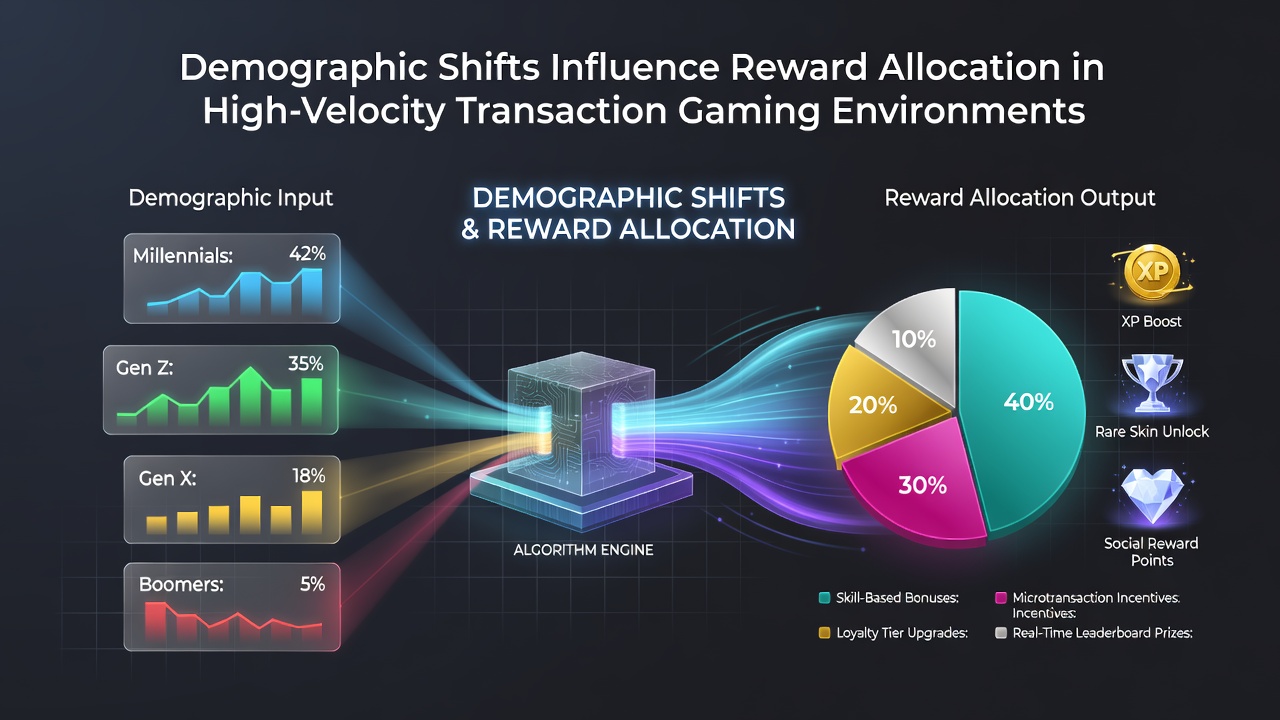
Population changes across regions continue to reshape how operators structure incentives in environments built around rapid deposits and withdrawals, where transaction speeds often exceed those of traditional platforms by significant margins. Data from multiple jurisdictions shows younger cohorts driving increased mobile engagement while older segments maintain preferences for structured loyalty tiers, and these patterns influence everything from free spin distributions to cashback percentages.
Regional Data Patterns in Player Bases
North American operators report rising shares of players aged 25 to 34 in account-free mobile environments, with figures from the American Gaming Association indicating this group accounted for over 40 percent of new registrations in early 2026. European markets tracked by national regulators show parallel movements toward Gen Z participants who prioritize instant reward triggers over long-term point accumulation. These shifts coincide with adjustments in bonus mechanics, where operators introduce shorter validity windows on offers to match faster play cycles typical of high-velocity systems.
Australian records compiled by the Australian Gambling Research Centre reveal similar trends in swift-settlement platforms, where participants from urban centers demonstrate higher engagement with time-limited deposit matches. Operators respond by reallocating portions of marketing budgets toward personalized reward triggers that activate after minimal transaction volumes, reflecting the demographic preference for immediate feedback loops rather than extended play requirements.
Transaction Speed and Incentive Adjustments
High-velocity platforms process thousands of micro-transactions daily, and reward allocation formulas now incorporate real-time demographic signals to determine eligibility. Younger users often receive smaller but more frequent incentives calibrated to session length, whereas established players encounter tiered structures that reward cumulative activity across multiple days. Industry reports note these modifications emerged prominently after 2025 data releases highlighted generational divergences in deposit frequency and average transaction size.
One operator in a major Canadian market adjusted its free spin allocation model following internal analysis of age-stratified play data, directing higher volumes of instant rewards toward mobile cohorts while preserving milestone bonuses for desktop users. Such changes align with broader observations that demographic composition directly correlates with preferred reward velocity in registration-free ecosystems.
Gender and Geographic Influences on Distribution
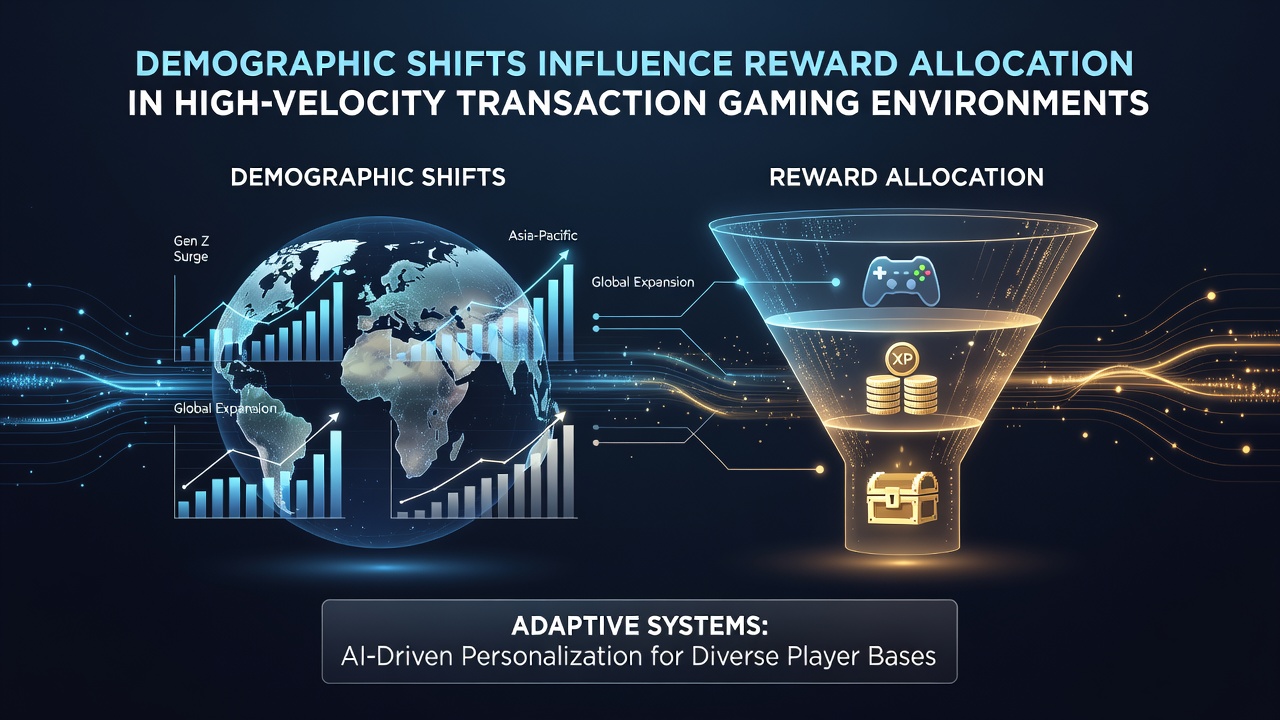
Studies from academic institutions tracking online gaming participation indicate gender ratios have stabilized near parity in many instant-play markets, yet reward preferences diverge along these lines as well. Female participants in certain European datasets show stronger responses to cashback structures tied to single-session losses, prompting operators to segment offers accordingly. Geographic factors add further layers, with Asian markets exhibiting distinct patterns around festival-timed promotions that contrast with steady-state allocations observed in North American environments.
July 2026 data releases from multiple monitoring bodies are expected to provide updated snapshots of these intersections, building on earlier findings that linked urban versus rural player origins to differences in withdrawal speed preferences and subsequent reward uptake rates.
Operational Responses Across Platforms
Platform developers integrate demographic analytics into backend systems that govern bonus triggers, allowing dynamic adjustments without manual intervention. This approach appears in recent implementations where machine learning models process anonymized player data to forecast optimal reward timing. Trade associations have documented case examples in which such systems increased retention metrics by reallocating incentive pools toward segments showing the highest velocity transaction patterns.
Regulatory frameworks in several jurisdictions now require transparency around how player characteristics inform promotional targeting, ensuring allocations remain compliant with fairness standards while accommodating observed demographic realities.
Conclusion
Demographic evolution continues to inform reward design in high-velocity transaction gaming, with operators adapting allocation strategies to match documented shifts in player composition and behavior. Ongoing data collection from regulatory and research entities will likely sustain these refinements through the remainder of 2026 and beyond.