Decoding Retention Signals in Seamless Transaction Ecosystems for Accountless Mobile Live Games
Casey Jung · May 22, 2026
Decoding Retention Signals in Seamless Transaction Ecosystems for Accountless Mobile Live Games
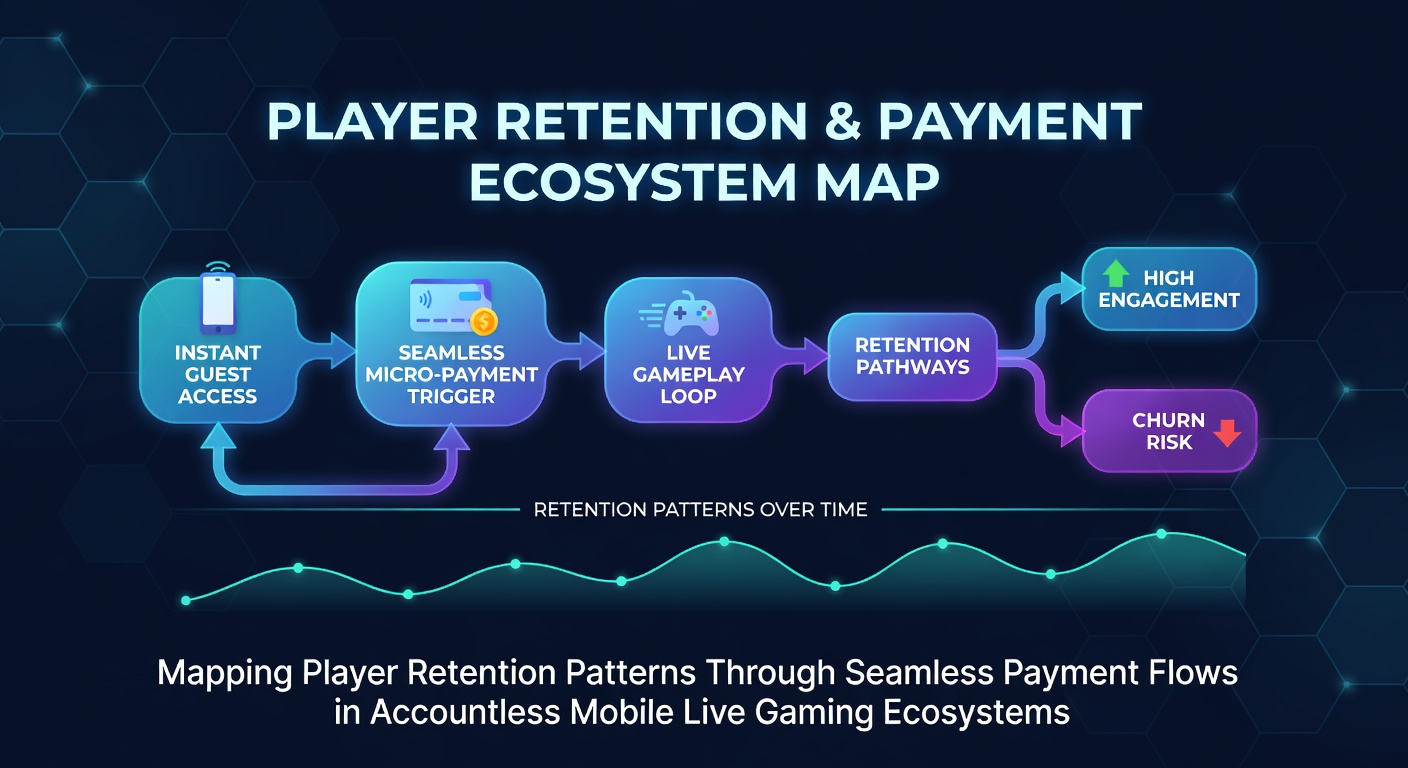
Accountless mobile live gaming ecosystems have expanded rapidly since 2024, with developers integrating instant transaction layers that eliminate traditional registration steps while maintaining compliance standards across multiple jurisdictions. Observers note that these platforms rely on payment flows to track behavioral signals, allowing operators to map how deposit speed, withdrawal confirmation times, and in-game purchase friction influence session length and return frequency. Data from industry monitoring services shows that platforms achieving sub-three-second transaction processing report measurable differences in daily active user curves compared to slower systems.
Payment Flow Architecture and Data Collection Points
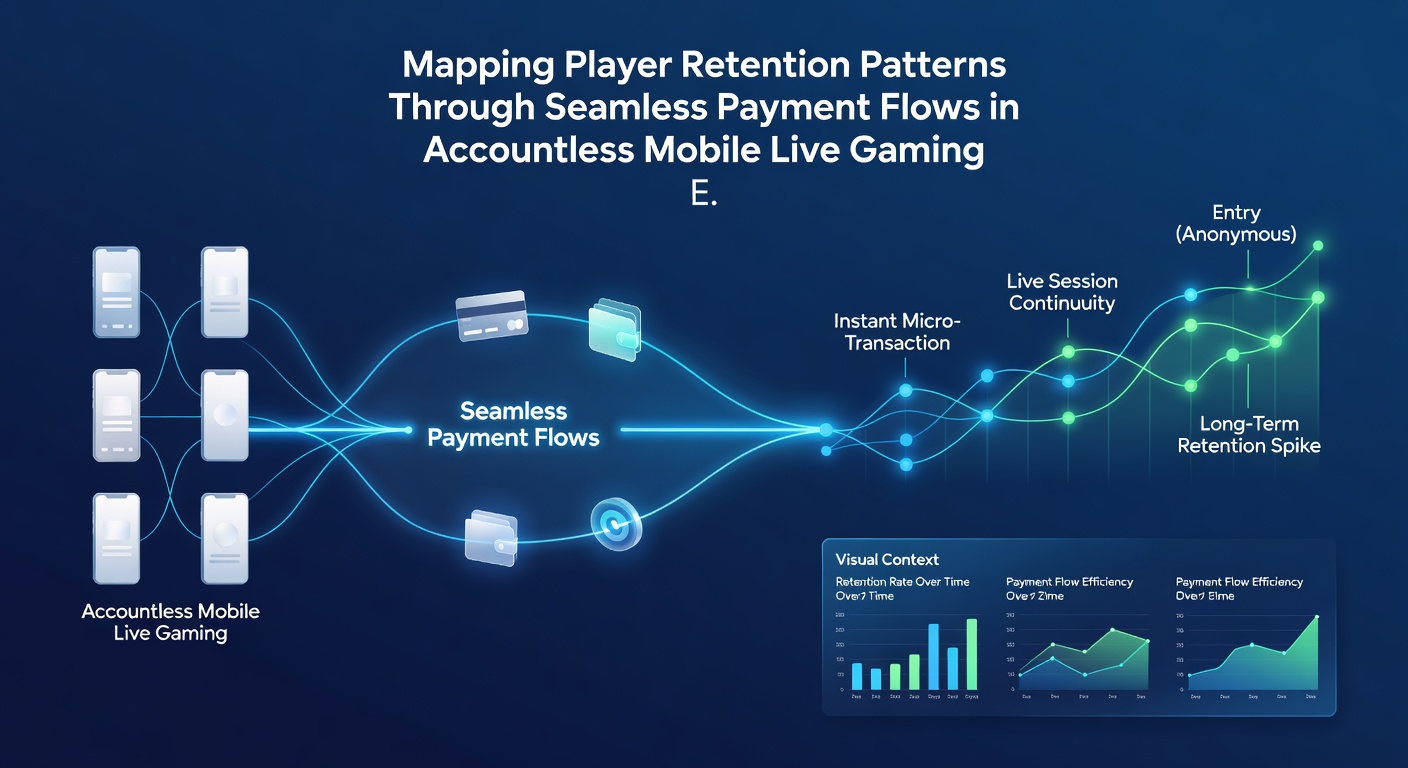
Seamless payment mechanisms in accountless environments capture metadata at every touchpoint, from initial wallet connection through recurring micro-transactions, without requiring stored personal profiles. Researchers at academic institutions studying digital entertainment systems have documented how these data points form retention heatmaps, highlighting moments when players disengage due to processing delays or currency conversion lags. In May 2026, updated reporting from the Australian Communications and Media Authority indicated that mobile live gaming sessions averaged 22 minutes longer on platforms using unified payment rails versus fragmented alternatives.
Those who analyze transaction logs observe distinct patterns: players completing three or more frictionless deposits within the first hour demonstrate higher seven-day return rates. The architecture typically combines blockchain-verified micro-payments with local banking APIs, enabling real-time balance updates that feed directly into retention algorithms. Experts tracking these systems point out that the absence of account creation reduces drop-off at onboarding, yet retention then hinges almost entirely on how smoothly subsequent financial interactions proceed.
Retention Pattern Mapping Techniques
Analysts employ cohort segmentation based on payment velocity rather than demographic variables, grouping users by average transaction completion intervals and correlating these with churn probabilities. One study released by a Canadian research consortium revealed that cohorts experiencing withdrawal confirmations under 90 seconds retained 31 percent more users at the 30-day mark than those facing extended verification windows. These mappings allow operators to adjust promotional timing, such as triggering bonus offers immediately after successful deposits, to reinforce positive loops.
What's notable is the integration of live dealer interaction data with payment timestamps, creating layered visualizations where betting frequency spikes align with seamless funding events. Platforms operating across European markets have adopted similar methodologies, drawing from anonymized aggregate datasets to refine interface elements that minimize payment interruptions during high-stakes live table rounds.
Regional Variations in Implementation
Implementation differs by regulatory landscape, with North American operators emphasizing integration with established banking networks while Asian markets prioritize digital wallet partnerships for faster cross-border settlements. Figures released in early 2026 by Singapore's gambling regulatory body showed that accountless live gaming titles featuring embedded payment options achieved 18 percent higher monthly retention averages than comparable registered-platform titles. The same reports highlighted that transaction success rates above 98 percent correlated strongly with extended player lifecycles across multiple game verticals.
Yet variations in local payment infrastructure create challenges for global operators attempting uniform retention models. Those monitoring cross-regional performance note that platforms adapting payment flows to regional preferences, such as supporting specific e-wallets popular in Southeast Asia, maintain steadier retention curves than those applying standardized solutions.
Future Monitoring and Algorithm Refinement
Developers continue refining machine learning models that ingest payment flow data alongside live game telemetry to predict retention windows with increasing precision. Academic papers presented at 2025 digital media conferences outlined frameworks where transaction latency serves as a primary input variable for churn forecasting, outperforming traditional engagement metrics in several test cases. As these models mature, operators gain tools to intervene at precise moments when payment friction risks interrupting session momentum.
Conclusion
Mapping player retention through seamless payment flows in accountless mobile live gaming ecosystems provides operators with granular visibility into behavioral drivers that extend beyond surface-level activity logs. Continued refinement of transaction architectures, supported by regional regulatory data and academic analysis, enables more accurate forecasting of user longevity while maintaining compliance across diverse markets. The patterns emerging from these systems underscore the central role of financial fluidity in sustaining engagement within registration-free environments.